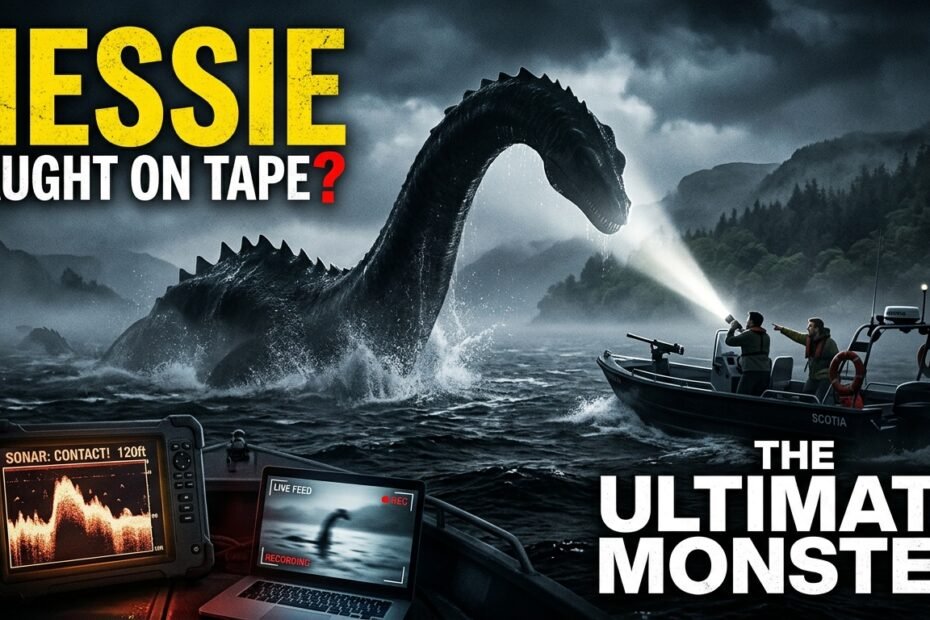
The Mystery of the Loch Ness Monster: Secrets of the Scottish Abyss
Tucked away in the rugged, wind-swept Scottish Highlands lies Loch Ness—a massive, ink-black body of freshwater that holds more water than all the lakes, rivers, and reservoirs of England and Wales combined. Plunging to depths exceeding 750 feet, its icy waters are heavily clouded with peat, reducing visibility beneath the surface to almost zero. For centuries, this gloomy chasm has guarded one of modern folklore’s most enduring enigmas: the creature affectionately known as Nessie.
The legend is not a product of 20th-century sensationalism; its roots reach back nearly fifteen hundred years. In 565 AD, an Irish monk named Saint Columba was traveling through the Highlands when he encountered locals burying a man who had been mauled by an aggressive “water beast” in the River Ness. Columba, according to lore, confronted the serpent-like beast, commanding it in the name of God to depart. The monster retreated into the abyss, giving birth to a legend that would slumber in local whispers for generations.
The mystery erupted into a worldwide phenomenon in the spring of 1933. A newly constructed road along the northern shore gave motorists an unobstructed view of the loch. In April 1933, hotel manager Aldie Mackay caught sight of an enormous, whale-like beast churning the surface. Months later, George Spicer reported seeing an astonishing 25-foot-long creature with a long, undulating neck cross the road right in front of his car and plunge into the black water.
A year later, in 1934, the London Daily Mail published what would become the definitive image of the monster: the “Surgeon’s Photograph,” purportedly captured by Dr. Robert Kenneth Wilson. The grainy silhouette of an elegant, swan-like neck rising from rippling water captivated the world. For sixty years, it stood as the crown jewel of cryptid evidence—until 1994, when Christian Spurling confessed on his deathbed that the photo was an elaborate hoax constructed from a toy submarine and wood putty.
Yet the debunking of a photograph did not deter science. In 1987, Operation Deepscan swept the entire length of the loch with a flotilla of 24 sonar-equipped boats. While most acoustic signals were ordinary, researchers recorded three distinct, massive sonar contacts at depths of over 500 feet that moved independently and could not be explained by debris or seals.
In 2018, geneticist Professor Neil Gemmell led a cutting-edge environmental DNA (eDNA) survey, sampling water from across the loch to catalog every living organism. The results found no trace of prehistoric marine reptiles like plesiosaurs, nor sharks or sturgeons. However, the study detected an overwhelming abundance of European eel DNA in virtually every sample taken. Could sightings of a long, serpentine creature simply be giant, mutant eels navigating the sunken trenches?
Whether Nessie is a biological anomaly, an optical illusion caused by internal underwater waves, or the sheer power of human imagination projected onto a lonely Scottish lake, the mystery endures. As mist rolls over the black mirror of Loch Ness, the world continues to watch its surface, hoping for one more glimpse into the unknown.
लॉक नेस का रहस्य: स्कॉटलैंड की गहरी खामोशी में छिपा दैत्य
स्कॉटलैंड के बीहड़ और ठंडे पहाड़ों के बीच फैली ‘लॉक नेस’ झील कोई साधारण जलस्रोत नहीं है। 750 फीट से अधिक गहरी इस विशाल झील में इंग्लैंड और वेल्स की सभी झीलों और नदियों से भी अधिक ताजा पानी समाया हुआ है। सतह के नीचे पीट (कोयले जैसा कार्बनिक पदार्थ) के कणों के कारण पानी इतना काला और धुंधला है कि कुछ ही फीट के बाद घोर अंधेरा छा जाता है। सदियों से यह स्याह गहराइयाँ एक ऐसे रहस्य को छुपाए बैठी हैं, जिसने वैज्ञानिकों और खोजी यात्रियों को हमेशा हैरान किया है—’नेसी’, यानी लॉक नेस का दैत्य।
इस रहस्य की जड़ें 20वीं सदी की नहीं, बल्कि लगभग 1500 साल पुरानी हैं। 565 ईस्वी में आयरिश संत कोलंबा जब इस इलाके से गुजर रहे थे, तब उन्होंने देखा कि स्थानीय लोग एक व्यक्ति का अंतिम संस्कार कर रहे थे, जिसे नदी के एक अज्ञात जलीय जीव ने मार डाला था। किंवदंतियों के अनुसार, जब वह जीव दोबारा प्रकट हुआ, तो संत कोलंबा ने ईश्वर का नाम लेकर उसे लौट जाने का आदेश दिया, और वह विशालकाय प्राणी गहराई में गायब हो गया।
आधुनिक दौर में यह किस्सा 1933 में एक वैश्विक सनसनी बन गया। झील के किनारे नई सड़क बनने से लोगों को दूर तक देखने का मौका मिला। अप्रैल 1933 में एल्डी मैके नामक महिला ने पानी में एक व्हेल जैसा भारी-भरकम जीव हलचल मचाते देखा। कुछ महीनों बाद जॉर्ज स्पाइसर नामक यात्री ने दावा किया कि एक 25 फीट लंबा, लंबी गर्दन वाला अजीबोगरीब जीव उनकी कार के आगे से सड़क पार कर झील में समा गया।
1934 में ‘सर्जन की तस्वीर’ (Surgeon’s Photograph) के नाम से एक फोटो छपी, जिसमें पानी से बाहर निकली एक लंबी गर्दन और छोटा सिर साफ दिखाई दे रहा था। दशकों तक दुनिया इसे इस बात का पक्का सबूत मानती रही कि प्रागैतिहासिक काल का कोई समुद्री डायनासोर (प्लिसियोसॉर) आज भी जीवित है। हालांकि 1994 में यह खुलासा हुआ कि वह तस्वीर एक खिलौना पनडुब्बी और लकड़ी के सांचे से तैयार किया गया एक सुनियोजित धोखा थी।
लेकिन इस धोखे के बावजूद वैज्ञानिकों की खोज थमी नहीं। 1987 में ‘ऑपरेशन डीपस्कैन’ के तहत 24 सोनार-युक्त नावों ने पूरी झील को खंगाला। इस दौरान 500 फीट की गहराई में तीन ऐसी विशालकाय सोनार तरंगे दर्ज की गईं, जिनकी हरकतें किसी साधारण जीव या मलबे से मेल नहीं खाती थीं।
2018 में जेनेटिसिस्ट प्रोफेसर नील जेमेल ने झील के पानी का डीएनए परीक्षण (eDNA Survey) किया। उन्हें डायनासोर या शार्क का कोई अंश नहीं मिला, लेकिन ईल (Eel) मछलियों का भारी मात्रा में डीएनए मिला। वैज्ञानिकों का मानना है कि शायद अत्यधिक बड़ी और विशालकाय ईल मछलियों को ही लोग दूर से दैत्य समझ बैठते हैं।
तर्क चाहे जो भी हों, जब शाम के समय लॉक नेस के शांत, काले पानी पर घना कोहरा उतरता है, तो हर किसी की निगाहें सतह पर उठने वाली लहरों की ओर टिक जाती हैं। क्या इस गहराई में सचमुच कुछ ऐसा है जो विज्ञान की समझ से परे है? यह सवाल आज भी जिंदा है।
Scotland ke thande aur pathreele pahadon ke beech phaili Loch Ness jheel ko dekhkar pehli nazar mein ajeeb si khamoshi ka ehsaas hota hai. Yeh jheel 750 feet se bhi zyada gehri hai, aur isme pure England aur Wales ki saari rivers aur lakes se zyada paani samaya hua hai. Peat ki wajah se iska paani itna kaala aur dhundhla hai ki surface ke thoda niche jaate hi sirf andhera nazar aata hai. Aur isi kaale paani ki gehraiyon mein dafn hai duniya ka sabse purana aur charchit rahasya—Nessie, yaani the Loch Ness Monster.
Is kahani ki shuruaat pichle kuch dashkon ki nahi, balki lagbhag 1500 saal purani hai. 565 AD mein Irish saint Saint Columba jab Highlands se guzar rahe the, tab unka saamna ek aise jal-jeev se hua jisne ek local shakhs par hamla kiya tha. Kaha jata hai ki Columba ke aadesh par woh vishalkay jeev wapas paani ki gehraiyon mein chala gaya. Tab se yeh kissa pahaadi qasbon ki fizaon mein zinda raha.
Lekin yeh rahasya achanak pure globe par tab chha gaya jab 1933 mein jheel ke kinare nayi sadak banayi gayi. April 1933 mein Aldie Mackay naam ki mahila ne jheel ke paani mein ek vishal whale jaisi aakriti ko tezi se hulchul machate dekha. Kuch hi mahinon baad George Spicer ne dawa kiya ki ek 25-foot lamba, lambi gardan wala ajeeb jeev unki car ke theek saamne se nikal kar jheel ke kaale paani mein ghaib ho gaya.
1934 mein ek photo samne aayi jise ‘Surgeon’s Photograph’ kaha gaya. Is tasveer mein paani ke upar ek serpentine gardan saaf dikh rahi thi, jise dekhkar logon ko laga ki shayad prehistoric daur ka Plesiosaur dinosaur ab bhi wahan zinda hai. Par 60 saal baad, 1994 mein pata chala ki yeh photo ek toy submarine aur plastic wood se banaya gaya ek smart prank tha.
Bawajood iske, science ne is paheli ko kabhi halka nahi liya. 1987 ke ‘Operation Deepscan’ mein 24 sonar-equipped boats ne pure loch ko scan kiya, aur 500 feet ki gehrai mein teen aise massive moving contacts mile jinhe researchers explain nahi kar sake. Phir 2018 mein Professor Neil Gemmell ne environmental DNA study ki, jisme koi dinosaur to nahi mila, par har sample mein giant European eels ke DNA ka bhandaar mila. Toh kya log asal mein vishalkay eels ko hi monster samajh baithe the?
Logic chahe jo bhi ho, jab shaam ke waqt Loch Ness ke kaale aaine jaise paani par kohra chha jata hai, toh wahan khada har insaan bas ek pal ke liye us satah ko zaroor taakta hai. Yeh umeed hamesha rehti hai ki shayad us gehrai se kuch aisa ubhar aaye, jo humare saare vigyan ko hairan kar de.