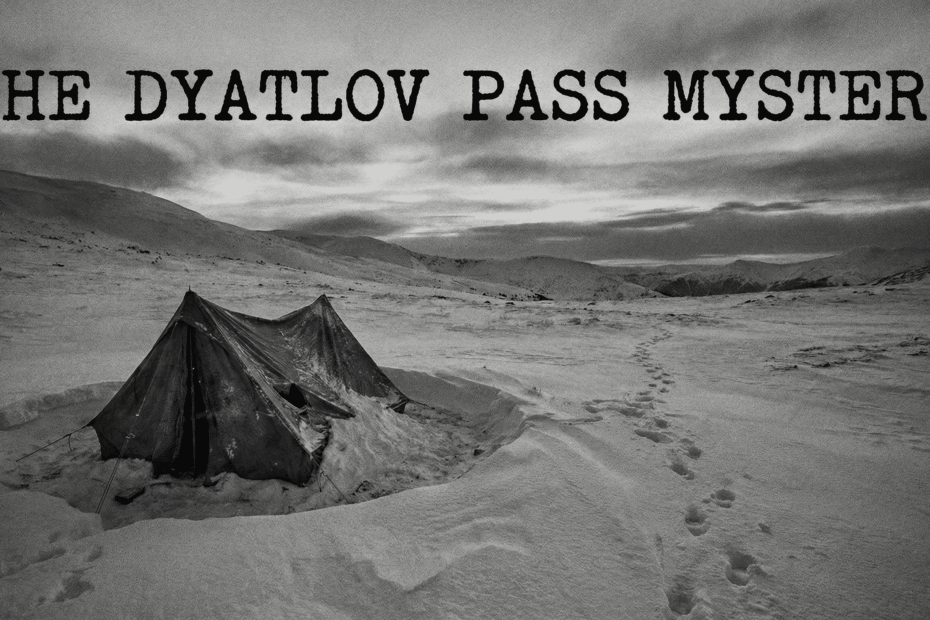
The Dyatlov Pass Incident: Russia’s Most Terrifying Mountain Mystery
In the dead of winter in February 1959, nine experienced Soviet mountaineers pitched their tent on the bleak, windswept slopes of Kholat Syakhl in the Northern Ural Mountains. Sometime during that freezing night, something so horrifying occurred that it forced the group to slash open their tent from the inside and flee into a –40°C blizzard without boots, coats, or survival gear.
Weeks later, search parties uncovered their frozen, mutilated remains scattered across the snowy wilderness. More than six decades later, the Dyatlov Pass incident remains one of the most chilling and perplexing forensic mysteries in modern history.
The Expedition and the Hikers
The expedition was organized by 23-year-old radio engineering student Igor Dyatlov, an accomplished and disciplined mountaineer from the Ural Polytechnic Institute. The team comprised eight men and two women, all certified Grade II hikers on a mission to earn their Grade III certification—the highest mountaineering rank in the Soviet Union at the time.
Their goal was to complete a grueling 300-kilometer ski trek across the frozen wilderness to Mount Otorten. On January 28, one member, Yuri Yudin, was forced to turn back due to severe chronic rheumatism. That painful ailment unwittingly saved his life, leaving nine hikers to venture deeper into the uninhabited wilderness:
– Igor Dyatlov (23, Leader)
– Zinaida Kolmogorova (22)
– Lyudmila Dubinina (20)
– Alexander Kolevatov (24)
– Rustem Slobodin (23)
– Yuri Krivonischenko (23)
– Yuri Doroshenko (21)
– Nikolai Thibeaux-Brignolle (23)
– Semyon Zolotaryov (37, WWII veteran and mountain guide)
On February 1, the group set up camp on the eastern slope of Kholat Syakhl—a name derived from the indigenous Mansi language meaning “Dead Mountain.” It was the last night any of them would be seen alive.
The Abandoned Camp and the Slashed Tent
Dyatlov had promised to send a telegram from the village of Vizhai no later than February 12. When days passed with no word, anxious families demanded a search. On February 20, Soviet authorities launched a massive search-and-rescue operation involving military planes, helicopters, soldiers, and volunteer search parties.
On February 26, searchers finally spotted the campsite on the barren hillside. What they discovered stunned seasoned investigators:
– The tent was collapsed and buried in snow, but it had been sliced wide open from the inside with a knife.
– Inside the tent lay all of the hikers’ essential survival equipment: winter jackets, heavy boots, ski trousers, cameras, rations, and wallets.
– Outside in the snow, a trail of eight or nine distinct sets of footprints led downhill toward the tree line, roughly 1.5 kilometers away.
– The tracks showed that the hikers had fled in haste, wearing only socks, a single shoe, or completely barefoot in sub-zero temperatures.
The Discovery of the Bodies
Over the following days and months, rescuers uncovered the tragic fate of the nine hikers in three distinct locations:
1. The Cedar Tree by the Forest Edge:
Beneath a large Siberian cedar tree, searchers found the bodies of Yuri Doroshenko and Yuri Krivonischenko. Both men were stripped down to their underwear and socks, showing signs of severe hypothermia. Next to them were the charred remains of a small fire. Branches on the cedar tree were snapped up to five meters high, suggesting one of them had desperately climbed the tree to look back at the tent or escape a threat on the ground.
2. The Return Trail:
Between the cedar tree and the camp, rescuers found the bodies of Igor Dyatlov, Zinaida Kolmogorova, and Rustem Slobodin spaced hundreds of meters apart. Their postures indicated they were attempting to crawl back up the mountain toward the tent when the cold overwhelmed them. Slobodin suffered a small fracture to his skull, but hypothermia was deemed the primary cause of death for all three.
3. The Ravine of Horrors:
It was not until May 4, when the spring thaw began, that the remaining four bodies were discovered buried under four meters of snow in a ravine deeper in the forest. These hikers—Dubinina, Kolevatov, Thibeaux-Brignolle, and Zolotaryov—were better dressed, having apparently taken clothes from the bodies of their deceased comrades. However, their post-mortem examinations revealed catastrophic, violent trauma:
– Nikolai Thibeaux-Brignolle had sustained massive, fatal skull fractures.
– Lyudmila Dubinina and Semyon Zolotaryov suffered catastrophic chest crushing, with multiple fractured ribs comparable to the impact of a high-speed car crash.
– Remarkably, despite the immense bone-crushing force, there was little to no external soft tissue bruising, indicating pressure from an unusual blunt force.
– Dubinina’s tongue, eyes, and facial soft tissue were missing.
– Tests revealed high levels of radioactive contamination on the garments of several victims.
The Official Conclusion and Classified Files
In May 1959, the Soviet investigative committee abruptly closed the case. The official verdict stated that the hikers had died as a result of “an elemental force which the hikers were unable to overcome.” The files were classified and sent to secret archives, fueling decades of rumors, cover-up allegations, and public fascination.
Adding to the intrigue, another group of hikers roughly 50 kilometers away reported observing strange, glowing orange spheres hovering in the night sky in the direction of Kholat Syakhl on the night of the tragedy.
Leading Theories
Over the decades, dozens of theories have attempted to explain what triggered the panic and caused the bizarre injuries:
– The Small Slab Avalanche Theory: In 2021, Swiss researchers published a computer simulation showing that a delayed, compact slab avalanche could have struck the tent as the hikers slept. A small slide would not have buried the camp entirely but could have caved in the tent and inflicted chest and head injuries, forcing the group to cut their way out in fear of a larger follow-up slide.
– Infrasound and Panic: Wind sweeping across the dome-shaped summit of Kholat Syakhl could have produced a Kármán vortex street, generating low-frequency infrasound waves. Infrasound is known to induce severe physiological disorientation, heart palpitations, and uncontrollable irrational panic in humans.
– Secret Military Testing: Given the Cold War era, radioactive residue, and sightings of orange spheres, many believe the group inadvertently entered a military testing ground where parachute-delivered landmines or experimental thermobaric missile weapons detonated nearby.
– Katabatic Winds: Sudden, hurricane-force downslope winds could have created blinding whiteout conditions and impossible windchill, making it suicide to remain outside while tearing the camp apart.
An Enduring Enigma
While natural disaster explanations such as a slab avalanche offer plausible mechanics for the physical injuries, they do not resolve every lingering puzzle—such as the strange radiation, the missing soft tissue, or why veteran hikers abandoned their shelter without taking even basic footwear.
The true mystery of Dyatlov Pass lies not merely in how nine young adventurers died, but in what terrifying force seized them in the dark of that Siberian night, compelling them to cut their way into the freezing wilderness and meet their doom.
द्यात्लोव पास का रहस्य: 9 पर्वतारोहियों की खौफनाक मौत की अनसुलझी दास्तान
फरवरी 1959 की कड़ाके की ठंड में, सोवियत संघ के उत्तरी यूराल पर्वतों की बर्फीली वादियों में कुछ ऐसा घटा जिसने फॉरेंसिक और पर्वतारोहण के इतिहास को हमेशा के लिए हिला कर रख दिया। 9 बेहद अनुभवी पर्वतारोही रात के सन्नाटे में, शून्य से 40 डिग्री नीचे (–40°C) के जानलेवा बर्फीले तूफान में अपने जूते, गर्म कोट और जीवन रक्षक उपकरण छोड़कर टेंट को अंदर से फाड़कर भाग खड़े हुए।
हफ्तों बाद जब उनके जमे हुए और क्षत-विक्षत शव मिले, तो दुनिया एक ऐसी पहेली के सामने खड़ी थी जिसका स्पष्ट जवाब छह दशकों बाद भी विज्ञान और जांच एजेंसियों के पास नहीं है।
अभियान और 9 जांबाज पर्वतारोही
इस साहसिक ट्रेक का नेतृत्व 23 वर्षीय रेडियो इंजीनियरिंग छात्र इगोर द्यात्लोव (Igor Dyatlov) कर रहे थे, जो यूराल पॉलिटेक्निक इंस्टीट्यूट के एक अत्यधिक अनुशासित और अनुभवी पर्वतारोही थे। इस दल में 8 पुरुष और 2 महिलाएं शामिल थीं। ये सभी ‘ग्रेड II’ प्रमाणित हाइकर्स थे और इस 300 किलोमीटर लंबे स्की-ट्रेक को पूरा करके सोवियत संघ का सर्वोच्च ‘ग्रेड III’ पर्वतारोहण प्रमाण पत्र हासिल करना चाहते थे।
उनका अंतिम लक्ष्य माउंट ओटोर्तेन (Mount Otorten) पर पहुंचना था। 28 जनवरी को दल के एक सदस्य यूरी युडिन (Yuri Yudin) के जोड़ों में तेज दर्द (गठिया) शुरू हो गया, जिसके चलते उन्हें मजबूरन बेस कैंप से वापस लौटना पड़ा। इस बीमारी ने अनजाने में युडिन की जान बचा ली, जबकि बाकी 9 सदस्य आगे बढ़ गए:
– इगोर द्यात्लोव (23 वर्ष, दल के नेता)
– जिनाइदा कोलमोगोरोवा (22 वर्ष)
– ल्युडमिला दुबिनिना (20 वर्ष)
– अलेक्जेंडर कोलेवातोव (24 वर्ष)
– रुस्तम स्लोबोडिन (23 वर्ष)
– यूरी क्रिवोनिशचेंको (23 वर्ष)
– यूरी दोरोशेंको (21 वर्ष)
– निकोलाई थिब्यु-ब्रिग्नोले (23 वर्ष)
– शिमोन जोलोतार्योव (37 वर्ष, द्वितीय विश्व युद्ध के अनुभवी सैनिक)
1 फरवरी 1959 की शाम दल ने ‘खोलात स्याखल’ (Kholat Syakhl) की ढलान पर अपना टेंट लगाया। स्थानीय मानसी (Mansi) आदिवासी भाषा में इस पहाड़ का नाम ‘मौत का पहाड़’ होता है। यह उस दल की आखिरी रात साबित हुई।
लावारिस कैंप और अंदर से फटा हुआ टेंट
इगोर द्यात्लोव ने वादा किया था कि वे 12 फरवरी तक विझाई गांव पहुंचकर अपनी वापसी का टेलीग्राम भेजेंगे। जब तय तारीख बीत जाने के बाद भी कोई संदेश नहीं आया, तो चिंतित परिवारों के दबाव में सोवियत प्रशासन ने बड़े पैमाने पर खोज और बचाव अभियान शुरू किया।
26 फरवरी 1959 को खोजी दल ने बर्फ में आधा दबा हुआ टेंट खोज निकाला। वहां का नजारा बेहद चौंकाने वाला था:
– टेंट को बाहर से नहीं, बल्कि अंदर से किसी धारदार चाकू से काटकर बड़ा छेद किया गया था।
– टेंट के भीतर गर्म कपड़े, भारी जूते, स्की पैंट, कैमरे, भोजन और पैसे जस के तस पड़े थे।
– बाहर बर्फ पर 8 से 9 लोगों के पैरों के निशान थे, जो करीब 1.5 किलोमीटर दूर घने जंगल की ओर ढलान से नीचे उतर रहे थे।
– ये पदचिह्न उन लोगों के थे जो केवल मोजों में, एक जूता पहने या पूरी तरह नंगे पांव कड़ाके की ठंड में भागे थे।
शवों की रहस्यमयी बरामदगी
आने वाले दिनों और महीनों में खोजी दल को सभी 9 सदस्यों के शव तीन अलग-अलग स्थानों पर मिले:
1. देवदार (Cedar) के पेड़ के नीचे:
जंगल के मुहाने पर एक बड़े देवदार के पेड़ के नीचे यूरी दोरोशेंको और यूरी क्रिवोनिशचेंको के शव मिले। दोनों केवल अंडरवियर और मोजों में थे और उनकी मौत अत्यधिक ठंड (हाइपोथर्मिया) से हुई थी। उनके पास एक छोटी सी जली हुई आग के अवशेष थे। देवदार के पेड़ की शाखाएं 5 मीटर ऊपर तक टूटी हुई थीं, जिससे संकेत मिला कि किसी ने अंधेरे में ऊपर चढ़कर टेंट की तरफ देखने या किसी खतरे से बचने की कोशिश की थी।
2. टेंट की ओर लौटते रास्ते पर:
पेड़ और टेंट के बीच कुछ सौ मीटर की दूरी पर इगोर द्यात्लोव, जिनाइदा कोलमोगोरोवा और रुस्तम स्लोबोडिन के शव बर्फ में दबे मिले। उनके शरीर की मुद्रा से साफ था कि वे वापस ऊपर टेंट की ओर रेंगने की कोशिश कर रहे थे, तभी ठंड ने उन्हें अपनी आगोश में ले लिया। स्लोबोडिन की खोपड़ी में मामूली फ्रैक्चर था, लेकिन प्राथमिक कारण ठंड ही माना गया।
3. खौफनाक नाला (The Ravine):
मई 1959 में जब बर्फ पिघलना शुरू हुई, तब जंगल के गहरे नाले में 4 मीटर बर्फ के नीचे बाकी 4 शव (दुबिनिना, कोलेवातोव, थिब्यु-ब्रिग्नोले और जोलोतार्योव) बरामद हुए। ये चारों अपने मृत साथियों के कपड़े पहने हुए थे, लेकिन इनकी पोस्टमॉर्टम रिपोर्ट ने डॉक्टरों के होश उड़ा दिए:
– निकोलाई थिब्यु-ब्रिग्नोले की खोपड़ी बुरी तरह टूटी हुई थी।
– ल्युडमिला दुबिनिना और शिमोन जोलोतार्योव की छाती की पसलियां इस कदर कुचली हुई थीं जैसे किसी तेज रफ्तार कार या ट्रेन की सीधी टक्कर हुई हो।
– सबसे अजीब बात यह थी कि हड्डियों के इतने गंभीर फ्रैक्चर के बावजूद शरीर पर बाहर से कोई गंभीर कट या खरोंच के निशान नहीं थे।
– ल्युडमिला दुबिनिना की जीभ, दोनों आंखें और चेहरे का मांस गायब था।
– कई पीड़ितों के कपड़ों की जांच में असामान्य रेडियोधर्मिता (Radiation) के अंश पाए गए।
सोवियत जांच और बंद फाइलें
मई 1959 में सोवियत जांच अधिकारियों ने इस केस को अचानक यह कहते हुए बंद कर दिया कि पर्वतारोहियों की मृत्यु “एक अज्ञात और अनियंत्रित प्राकृतिक शक्ति” (a compelling natural force) के कारण हुई। फाइलों को गोपनीय (Classified) घोषित कर सरकारी अभिलेखागार में सील कर दिया गया।
जांच में यह भी दर्ज हुआ कि उस रात घटनास्थल से 50 किलोमीटर दूर मौजूद एक अन्य ट्रेकिंग ग्रुप ने खोलात स्याखल के ऊपर आसमान में अजीबोगरीब चमकते हुए नारंगी गोलों (Orange Spheres) को उड़ते देखा था।
प्रमुख सिद्धांत और संभावनाएं
इस रहस्य को सुलझाने के लिए समय-समय पर कई सिद्धांत दिए गए हैं:
– स्लैब एवलांच (Slab Avalanche): 2021 में स्विस वैज्ञानिकों के कंप्यूटर सिमुलेशन ने दिखाया कि टेंट पर बर्फ की एक भारी परत (स्लैब) गिरी होगी। इससे टेंट ढह गया और सोते हुए ट्रेकर्स को अंदरूनी चोटें आईं। दोबारा बड़े हिमस्खलन के डर से उन्होंने तुरंत टेंट काटकर सुरक्षित जगह की ओर भागना बेहतर समझा।
– इन्फ्रासाउंड और पैनिक (Infrasound Panic): पहाड़ की चोटी से टकराने वाली तूफानी हवाओं से कारमान वोर्टेक्स स्ट्रीट (Kármán vortex street) बन सकती है, जो बेहद धीमी आवृत्ति की ध्वनियां (Infrasound) पैदा करती हैं। यह इंसानी दिमाग में तीव्र घबराहट, दिल की धड़कन तेज होना और अकारण पागलपन जैसा खौफ पैदा कर सकती है।
– गुप्त सैन्य परीक्षण: शीत युद्ध के दौर, कपड़ों पर मिले रेडिएशन और आसमान में दिखे नारंगी गोलों के कारण यह माना जाता है कि दल गलती से सोवियत सेना के गुप्त मिसाइल या पैराशूट माइन परीक्षण क्षेत्र में पहुंच गया था।
– कटाबैटिक बर्फीली हवाएं (Katabatic Winds): ढलान से अचानक उतरने वाली बेहद तेज हवाओं ने तापमान को असहनीय बना दिया और टेंट को उखाड़ने लगीं।
एक अटूट रहस्य
यद्यपि हिमस्खलन का सिद्धांत कुछ भौतिक चोटों की व्याख्या करता है, फिर भी यह उन सभी सवालों के जवाब नहीं देता—जैसे कपड़ों पर रेडियोएक्टिविटी, गायब नरम ऊतक, और अत्यंत अनुभवी पर्वतारोहियों का बिना जूतों के भीषण बर्फ में भागना।
द्यात्लोव पास का असली रहस्य सिर्फ यह नहीं है कि वे कैसे मरे, बल्कि यह है कि उस सर्द रात में ऐसा कौन सा अनजाना खौफ था जिसने 9 बहादुर इंसानों को अपने ही टेंट को चीरकर बर्फीली मौत के मुंह में भागने पर मजबूर कर दिया।
The Mystery of Dyatlov Pass: Ural Mountains Mein 9 Hikers Ki Khaufnak Maut Ka Raaz
February 1959 ki ek thandi raat ko Russia ke Northern Ural Mountains mein kuch aisa ghata jisne pichhle 60 saalon se forensic experts, scientists aur adventure lovers ko hairan kar rakha hai. 9 experienced mountaineers aadhi raat ko –40°C ke tufaan mein apna tent chhod kar nange pair barf mein bhaagte hain, aur phir unki aisi laashein milti hain jinhe dekhkar investigators ke bhi hosh udd gaye the.
Aakhir us sunsaan pahad par aisi kaun si aafat aayi thi jisne in trained logon ko bina joote aur warm clothes ke maut ke muh mein koodne par majboor kar diya?
Expedition Ki Shuruaat Aur Igor Dyatlov
Is expedition ko lead kar rahe the 23 saal ke radio engineering student Igor Dyatlov, jo Ural Polytechnic Institute ke behad disciplined aur skilled mountaineer the. Is group mein 8 ladke aur 2 ladkiyan thi, aur sabhi Soviet Union ke highest ‘Grade III’ mountaineering certification ko paane ke liye 300 kilometer lamba ski-trek kar rahe the.
Unka destination tha Mount Otorten. 28 January ko group ke ek member, Yuri Yudin ki tabiyat achanak kharab ho gayi (chronic rheumatism ki wajah se), jiski wajah se use wapas lautna pada. Ye dardnak bimari aage chalkar uske liye vardaan ban gayi, kyunki baki ke 9 hikers aage badh gaye:
– Igor Dyatlov (23, Leader)
– Zinaida Kolmogorova (22)
– Lyudmila Dubinina (20)
– Alexander Kolevatov (24)
– Rustem Slobodin (23)
– Yuri Krivonischenko (23)
– Yuri Doroshenko (21)
– Nikolai Thibeaux-Brignolle (23)
– Semyon Zolotaryov (37, WWII veteran aur guide)
1 February 1959 ki shaam ko inhone Kholat Syakhl pahad ki dhalan par apna tent lagaya. Wahan ke local Mansi tribals ki zubaan mein is pahad ka matlab hota hai—”Dead Mountain”. Aur ye raat un sabhi ke liye aakhiri raat ban gayi.
Laawarish Campsite Aur Andar Se Kata Hua Tent
Igor Dyatlov ne promise kiya tha ki wo 12 February tak Vizhai gaon pahunch kar telegram bhej denge. Jab kayi din beet gaye aur koi message nahi aaya, toh families ki appeal par Soviet administration ne military helicopters, planes aur search teams ka ek bada rescue operation shuru kiya.
26 February ko searchers ko Kholat Syakhl ki barfeeli dhalan par unka tent mila. Wahan ka scene dekhkar sab dang reh gaye:
– Tent par barf jami thi, lekin sabse ajeeb baat ye thi ki tent ko bahar se nahi, balki andar se kisi chaaku se phada gaya tha.
– Tent ke andar hikers ke boots, jackets, ski pants, cameras, khana aur paise bilkul safe pade the.
– Barf par 8-9 logon ke footprints the jo lagbhag 1.5 kilometer door jungle ki taraf neeche ja rahe the.
– Footprints dekhkar saaf tha ki log sirf socks mein, ek single boot mein, ya poori tarah nange pair –40°C ki barf mein bhaage the.
Laashon Ki Khoj Aur Khaufnak Chotein
Aane wale dino aur mahino mein search teams ko sabhi 9 hikers ki bodies alag-alag jagahon par mili:
1. Jungle Ke Kinare Cedar Tree Ke Paas:
Jungle ke start mein ek bade Siberian cedar tree ke neeche Yuri Doroshenko aur Yuri Krivonischenko ki bodies mili. Dono sirf underwear aur socks mein the aur unki maut extreme cold (hypothermia) se hui thi. Paas mein ek choti si aag jalane ke nishaan the. Cedar tree ki branches 5 meter upar tak tooti hui thi, jisse lag raha tha ki koi upar chadh kar tent ki taraf dekh raha tha ya kisi khatre se bachne ki koshish kar raha tha.
2. Tent Ki Taraf Lautte Hue:
Tree aur tent ke beech thodi-thodi doori par Igor Dyatlov, Zinaida Kolmogorova aur Rustem Slobodin ki bodies mili. Unki body postures dekhkar lag raha tha ki wo wapas tent ki taraf crawl karne ki koshish kar rahe the, tabhi thand ki wajah se unki jaan nikal gayi. Slobodin ke skull mein ek chhota fracture tha, par main cause hypothermia hi tha.
3. The Ravine (Gahra Nala):
May 1959 mein jab barf pighli, tab jungle ke ek deep ravine mein 4 meter barf ke neeche bachi hui 4 bodies (Dubinina, Kolevatov, Thibeaux-Brignolle aur Zolotaryov) mili. Ye chaaron apne mare hue doston ke kapde pehne hue the, lekin inki post-mortem report ne doctors ko shock kar diya:
– Nikolai Thibeaux-Brignolle ka skull buri tarah fractured tha.
– Lyudmila Dubinina aur Semyon Zolotaryov ki ribs aisi crushed thi jaise kisi fast car ya train ne unhe takkar mari ho.
– Hairat ki baat ye thi ki itne severe internal fractures ke baad bhi unki skin par koi external cut ya heavy bruise nahi tha.
– Lyudmila Dubinina ki tongue, eyes aur facial soft tissue missing thi.
– Kuch victims ke kapdon par unexplained high radiation ke traces mile.
Soviet Investigation Aur Classified Files
May 1959 mein Soviet investigators ne case ko achanak close kar diya aur likha ki hikers ki maut “ek anjaan aur uncontrollable natural force” ki wajah se hui. Files ko secret archives mein daal kar classified kar diya gaya, jisse saalon tak conspiracies aur military cover-up ki baatein chalti rahi.
Iske alawa, us raat 50 kilometer door camp kar rahe ek dusre trekking group ne Kholat Syakhl ke aakash mein chamakte hue ajeeb orange spheres (glowing balls) udte hue dekhe the.
Major Theories
Is mystery ko explain karne ke liye kayi theories samne aayi hain:
– Slab Avalanche Theory: 2021 mein Swiss researchers ne ek computer simulation run kiya jisme bataya gaya ki tent ke upar compacted snow ka ek slab gira hoga. Isne tent ko collapse kar diya aur kuch hikers ko chest aur head injuries di. Aage aur bade avalanche ke darr se unhone jaldi mein tent kaat kar jungle ki taraf bhaagna sahi samjha.
– Infrasound Panic: Kholat Syakhl ke dome shape se guzarti tez hawayen ‘Kármán vortex street’ create kar sakti hain, jo infrasound waves generate karti hain. Ye low-frequency waves insan ke dimaag mein achanak panic, palpitations aur uncontrollable darr trigger kar sakti hain.
– Secret Military Tests: Cold War ka time tha, radioactive kapde aur orange glowing lights is baat ki taraf ishara karte hain ki wo group anjaane mein Soviet army ke experimental missile ya parachute-dropped mine testing zone mein aa gaya tha.
– Katabatic Winds: Pahaadon se achanak neeche aane wali hurricane-speed barfeeli hawayen jo temperature ko pal bhar mein jaanlewa bana deti hain.
Ek Ansuljha Sawal
Bhale hi avalanche theory kuch physical injuries ko explain karti ho, lekin ye har sawal ka jawab nahi deti—jaise kapdon par radiation, gayab soft tissue, aur experienced mountaineers ka bina joote-chappal ke extreme freezing cold mein bhaagna.
Dyatlov Pass ka sabse bada raaz sirf ye nahi hai ki wo log kaise mare, balki ye hai ki aakhir us raat Kholat Syakhl par aisi kaun si khaufnak taqat aayi thi jisne 9 experienced dilon ko itna dehla diya ki unhone maut ki barf mein nange pair daud laga di.